Circular Economy Business Models: From Linear to Sustainable in 5 Steps
Surbhi Thakur
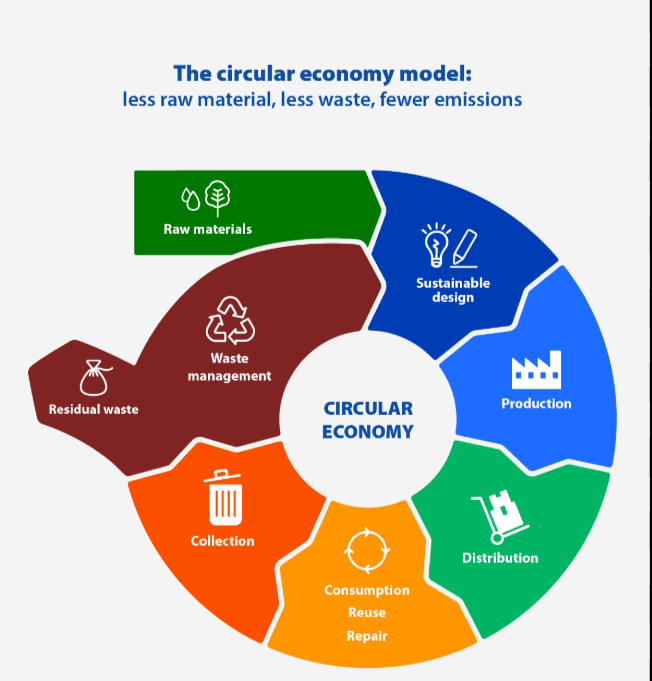
The traditional industrial model is linear: we take resources from the ground, make products, and eventually throw them away. This "linear economy" is increasingly risky as resource prices fluctuate and landfill regulations tighten. The circular economy offers a more resilient alternative by designing out waste and keeping materials in use for as long as possible.
The Core of Circularity
At its heart, a sustainable business model built on circularity focuses on three principles: eliminating waste and pollution, circulating products and materials, and regenerating nature.
Transitioning in 5 Steps
- Step 1: Design for Longevity: Start at the drawing board. Can your product be easily repaired, upgraded, or disassembled?
- Step 2: Resource Recovery: Implement systems to collect used products from customers. This "reverse logistics" allows you to reclaim valuable materials.
- Step 3: Product as a Service (PaaS): Instead of selling a product, sell the use of it. This incentivizes your company to build high-quality, long-lasting items.
- Step 4: Refurbish and Remanufacture: Before recycling, see if components can be cleaned and reused in new units. This preserves the energy already "embedded" in the part.
- Step 5: Collaborate Across the Value Chain: Waste for one company can be raw material for another. Build partnerships with local recyclers and other industries to close the loop.
The Strategic Advantage
Adopting circularity isn't just about waste reduction; it’s about innovation. It opens new revenue streams through repair services and builds deeper, long-term relationships with customers who value responsible consumption.