How Industry Leaders Use Reverse Innovation to Disrupt Markets
Surbhi Thakur
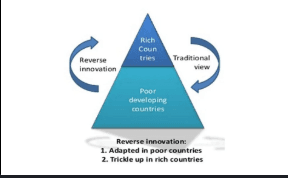
For decades, the flow of innovation was one-way: products were developed in wealthy nations and "de-featured" for poorer ones. Today, the most forward-thinking executives are using Reverse Innovation—developing products in emerging markets first and then scaling them globally.
Glocalization vs. Reverse Innovation
Traditional "Glocalization" adapts global products for local markets. Reverse innovation does the opposite. It starts with the constraints of a developing market—such as low cost, limited infrastructure, or harsh environments—and uses those constraints to drive radical efficiency.
Real-World Success Stories
- Healthcare: GE developed a portable, battery-operated ECG machine for rural India. Because it was lightweight, durable, and cost 80% less than traditional machines, it eventually found a massive market in US ambulances and emergency rooms.
- Consumer Goods: Nestlé created low-cost, nutritious noodles for the Indian market. The supply chain and flavoring innovations were so successful they were later exported to Australian and New Zealand markets as a healthy, fast-moving consumer good.
Strategic Takeaways for 2026
Reverse innovation requires a shift in mindset. Executives must empower local R&D teams in emerging markets and be willing to cannibalize their own high-end products with more efficient, lower-cost alternatives. In a world where "value" is the new luxury, those who master the bottom-up approach to innovation will be the ones who disrupt the status quo.