Back to Intelligence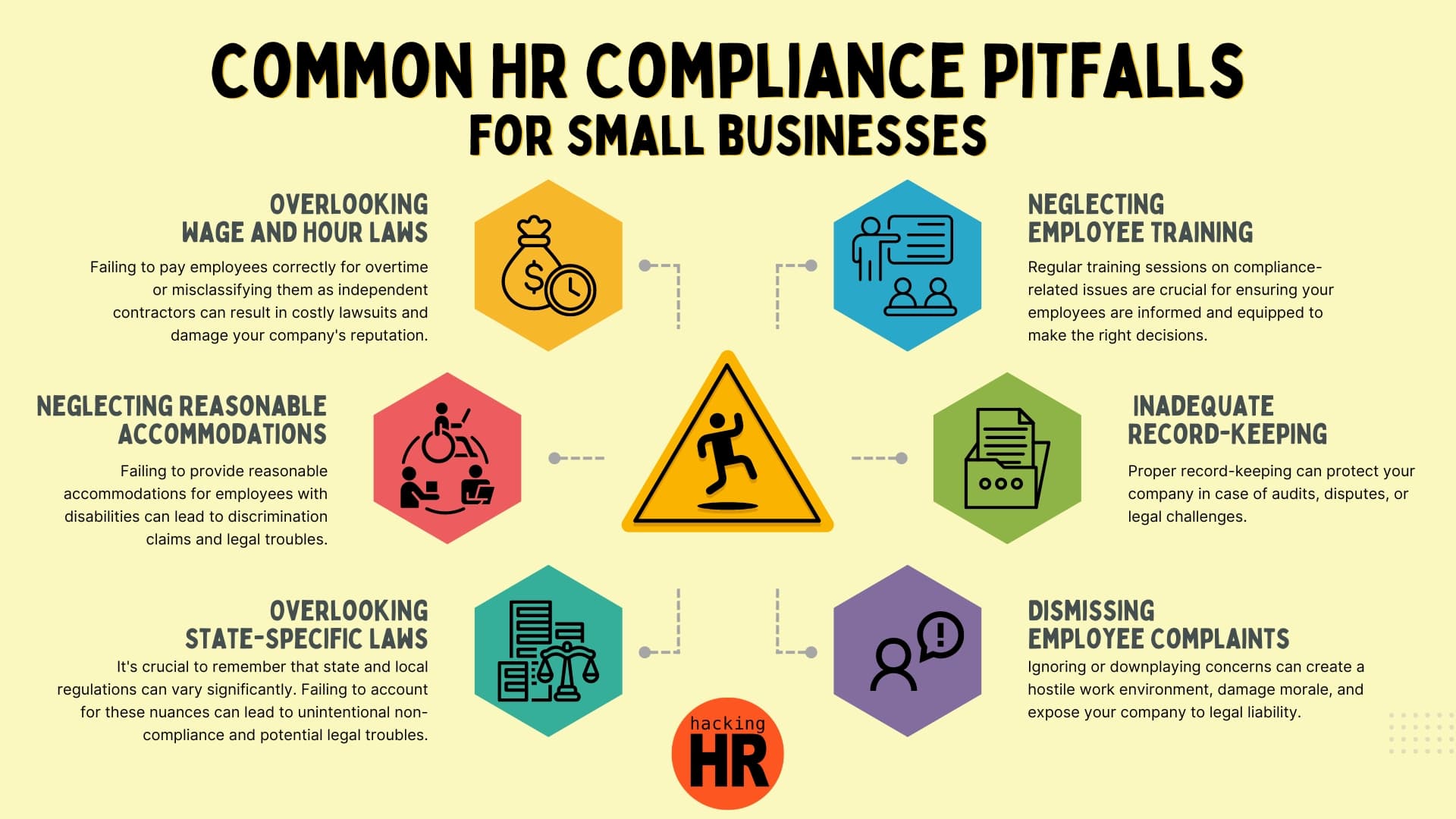
Marketing
1/22/2026
5mins
Workplace Safety Checklist 2026: OSHA Compliance Made Simple for Small Business Owners
Sourabh Raikwar
Ensuring workplace safety is not only a legal responsibility but also a critical part of protecting employees and business operations. OSHA regulations are designed to reduce injuries, illnesses, and accidents at work. This workplace safety checklist for 2026 breaks down OSHA compliance into simple, actionable steps for small business owners.
- Display Required OSHA Posters
- OSHA requires employers to display official safety and health posters where employees can easily see them. These posters inform workers of their rights and employer responsibilities and are a basic part of OSHA compliance.
- Identify and Document Workplace Hazards
- Conduct regular inspections to identify potential hazards such as slippery floors, faulty equipment, or poor lighting. Documenting hazards and corrective actions is essential to meet workplace safety requirements.
- Provide Safety Training to Employees
- All employees should receive basic safety training relevant to their roles. Training should cover emergency procedures, proper equipment usage, and hazard awareness. Well-trained employees reduce accident risks and improve compliance.
- Maintain Proper Personal Protective Equipment
- Ensure that required personal protective equipment (PPE) such as gloves, helmets, masks, or safety glasses is available and properly maintained. OSHA compliance requires employers to provide PPE at no cost to employees when necessary.
- Keep Equipment and Machinery Well Maintained
- Faulty equipment is a major cause of workplace injuries. Regular maintenance, inspections, and timely repairs help meet workplace safety requirements and prevent accidents.
- Establish Emergency Action Plans
- Every workplace must have an emergency action plan covering fire, medical emergencies, and natural disasters. Employees should know evacuation routes, emergency contacts, and reporting procedures.
- Maintain Injury and Illness Records
- OSHA requires certain businesses to maintain records of work-related injuries and illnesses. Accurate documentation helps identify safety issues and demonstrates compliance during inspections.
- Ensure Proper Signage and Labels
- Safety signs, warning labels, and hazard communication labels must be clearly visible. Proper signage alerts employees to risks and is a key element of workplace safety compliance.
- Promote a Safety-First Culture
- Encourage employees to report unsafe conditions without fear. Regular safety meetings and open communication help build a proactive safety culture and reduce violations.
- Review and Update Safety Policies Regularly
- Workplace safety regulations evolve over time. Reviewing policies annually ensures continued OSHA compliance and alignment with updated workplace safety requirements for 2026.
In conclusion, OSHA compliance does not have to be complicated. By following this workplace safety checklist, small business owners can create a safer work environment, reduce legal risks, and protect both employees and business continuity.